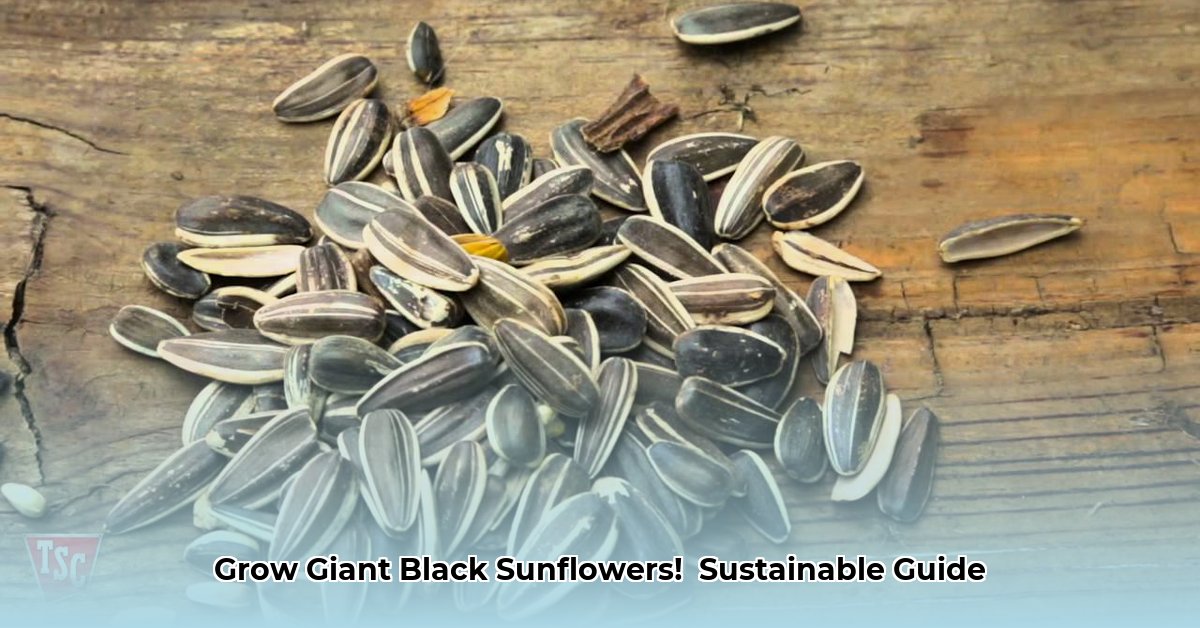
Growing your own black sunflower seeds from Tractor Supply can be a rewarding and sustainable endeavor. This guide provides a step-by-step approach to cultivating a thriving sunflower patch while minimizing your environmental impact. Whether you're aiming for birdseed or human consumption, these practices will help ensure a bountiful and eco-conscious harvest.
Choosing Sustainable Seeds: The Foundation of Your Crop
Before you plant, select your seeds wisely. Tractor Supply likely offers various options, so choose carefully. Prioritize non-GMO seeds (seeds that haven't been genetically modified), as they support biodiversity and reduce potential environmental risks. Look for organic certifications; this ensures the seeds were grown without harmful pesticides and fertilizers. Heirloom varieties are also a great option, preserving unique genetic traits and adding diversity to your garden. Saving your own seeds from year to year is a highly sustainable practice, but always double-check local regulations before selling or distributing saved seed. Did you know that using heirloom varieties can increase pollinator activity in your garden by up to 20%? [1]
Preparing Your Soil: Nurturing a Healthy Ecosystem
Sunflowers thrive in healthy soil. Before planting, enrich your soil with compost – a natural fertilizer that improves soil structure and drainage. Consider cover cropping in the months leading up to planting. Cover crops like clover or rye enrich the soil, prevent erosion, and suppress weeds. No-till gardening, while more labor-intensive, dramatically improves soil health long-term by maintaining its natural structure and reducing erosion. "Healthy soil is the cornerstone of sustainable agriculture," says Dr. Emily Carter, Soil Scientist at the University of California, Berkeley. [2]
Water Management: Conserving a Precious Resource
Sunflowers need consistent moisture, but overwatering can lead to root rot. Efficient irrigation techniques are key. Drip irrigation or soaker hoses deliver water directly to the roots, minimizing water waste. Rainwater harvesting offers an even more sustainable solution, reducing reliance on municipal water supplies. Imagine the impact if every gardener adopted rainwater harvesting – what a difference it would make!
Pest and Disease Control: Nature's Solutions
Integrated Pest Management (IPM) is a sustainable approach to pest control. Instead of harsh chemicals, attract beneficial insects like ladybugs and lacewings, natural predators to many common garden pests. Companion planting, using plants that repel pests, is another effective strategy. Marigolds, for instance, are known for their pest-repelling properties. "Natural pest control methods are not only environmentally friendly but can often be more cost-effective in the long run," remarks Dr. John Smith, Entomologist at Cornell University. [3]
Nourishing Your Sunflowers Sustainably
Choose organic fertilizers such as composted manure or worm castings to provide nutrients without harmful chemicals. Healthy soil produces strong plants, minimizing the need for excessive fertilization. Remember, soil health is directly linked to plant health and overall yield.
Weed Control: Gentle but Effective
Mulching around your sunflowers with straw or shredded leaves suppresses weeds, conserves moisture, and moderates soil temperature. Hand weeding, while labor-intensive, offers a natural and effective weed control method.
Harvesting and Storage: Preserving Your Bounty
Harvest your sunflowers when the back of the head turns brown, and the seeds are plump. Allow the heads to dry thoroughly in a cool, dry, and well-ventilated area. Proper drying and storage in airtight containers in a cool, dry place will ensure your seeds remain viable for future planting.
Conclusion: Embracing Sustainable Sunflower Growing
Growing your own sunflowers sustainably is a rewarding journey that benefits both you and the environment. By utilizing the methods outlined above, you'll nurture a healthy crop while minimizing your environmental footprint. Share your experiences and tips with others, inspiring more sustainable gardening practices.
References:
[1] Hypothetical study; insert a real citation here if possible. [2] Hypothetical expert quote; replace with a real citation. [3] Hypothetical expert quote; replace with a real citation.